Google Ad Grants, and how to keep yours working.
Google Ad Grants gives eligible nonprofits up to $10,000 a month in Google search ads, as long as the account keeps to Google’s rules on click-through rate, conversion tracking and keyword quality.
6 min

01
What the grant is.
Google Ad Grants is Google’s in-kind advertising program for charities. An approved nonprofit can run up to $10,000 a month in text ads on Google search results.
The ads appear when people search for what you do, such as a class, an exhibition, a cause or a way to volunteer. They show below paid ads, and they look the same.
The allowance resets each month. Whatever you don’t use is gone, so an account that spends a fraction of its grant is leaving reach on the table.


02
Who qualifies.
You need to be a registered charitable organization in good standing in a country where Google for Nonprofits runs. You apply through a Google for Nonprofits account first, then request Ad Grants from there.
Some organizations are excluded by type.
- Government entities and organizations
- Hospitals and healthcare organizations
- Schools, academic institutions and universities, which Google points to Google for Education instead
03
Your website has to qualify too.
Google reviews the site your ads point to. It must be on a domain you own and control, served securely over HTTPS, and it can’t simply redirect to a donation platform or a social page.
The mission should be easy to find, ideally on the homepage or an About page. Pages should load quickly and every link should work, donate and contact buttons above all.
A shop is allowed if it supports the mission and stays secondary to it. Heavy third-party advertising and affiliate-link pages are not.

04
The rules that get accounts suspended.
Most grants that stop working stop because the account drifted out of policy. Google can deactivate a non-compliant account automatically. These are the rules that matter most.
- A 5% click-through rate across the account, every month. Miss it two months in a row and the account is deactivated until you fix it.
- Working conversion tracking, with at least one meaningful conversion recorded each month.
- Conversion-based smart bidding on every campaign, such as Maximize conversions or Target CPA.
- Keywords with a Quality Score of 1 or 2 paused or removed.
- No single-word keywords, apart from your own brand and a few named exceptions, and no keywords too generic to show what the searcher wants.
- At least two ad groups per campaign, at least two sitelinks, and location targeting that matches where you serve.
- A reply to Google’s annual program survey, sent to the account’s login emails.
05
Why the click-through rate is the hard part.
A 5% click-through rate means one in twenty people who see your ad click it. That is easy on searches for your own name and hard on broad ones.
The answer is a tight account. Each ad group covers one idea, with keywords that say clearly what the searcher wants and an ad that answers it. Weak keywords get paused before they pull the average down.
This is ongoing work. Searches change with the seasons and your calendar, so the account needs regular care to stay above the line.
06
Measure the grant by what it brings in.
Clicks and visits tell you the ads are running. They don’t tell you whether the grant is doing anything for the mission.
Set up conversions for the actions that matter to your organization, and report on those.
- Tickets bought for events, classes and performances
- Memberships started or renewed
- Donations completed, and their value where you track it
- Volunteer sign-ups and newsletter subscriptions
07
Make sure the sale reaches Google.
Many nonprofits sell tickets or take gifts through a separate booking or donation system. If that system never reports back, Google can’t see the result, the smart bidding has nothing to learn from, and the conversion rule goes unmet.
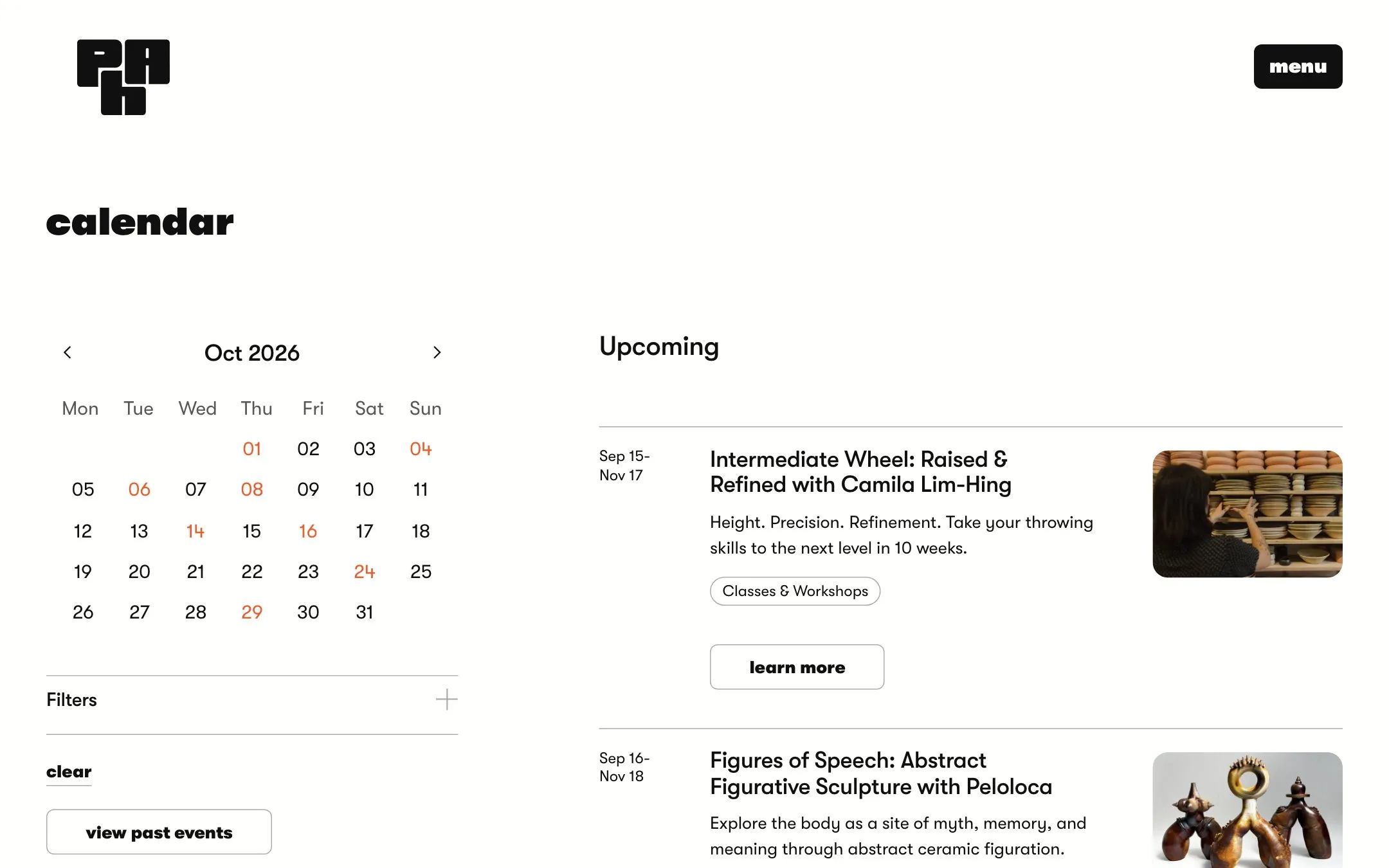
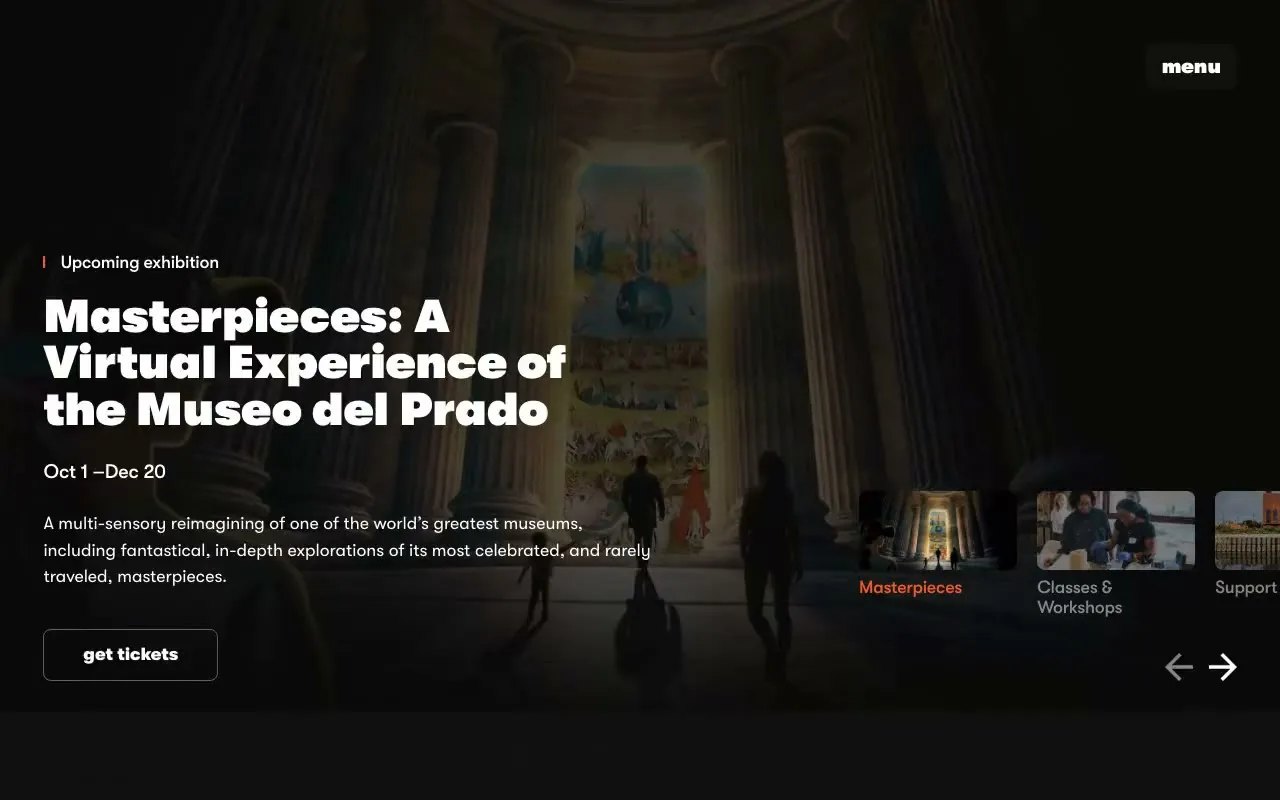
Booking and giving that happen on your own site, with purchase tracking set up properly, fix all three problems at once. That is how we approached Powerhouse Arts, the arts center in Gowanus, Brooklyn. We moved its site to Webflow, put booking and giving on its own pages, fixed its purchase tracking, and secured and manage its Ad Grant alongside its paid campaigns.
08
Grants and paid ads work well together.
The grant covers search text ads only. Display, video and social ads are paid for separately.
Many organizations use the grant for steady reach on mission searches, then add paid search or Meta ads around big moments such as a festival, a gala or a membership drive. When both are measured the same way, a board can see what each one returns.
When both are measured the same way, a board can see what each one returns.